ENGINE: Unreal Editor for Fortnite (UEFN)
GENRE: 3 vs 3 Capture the Flag
ROLE: Level Designer
RELEASE DATE: April 18, 2025
PROJECT TYPE: Personal
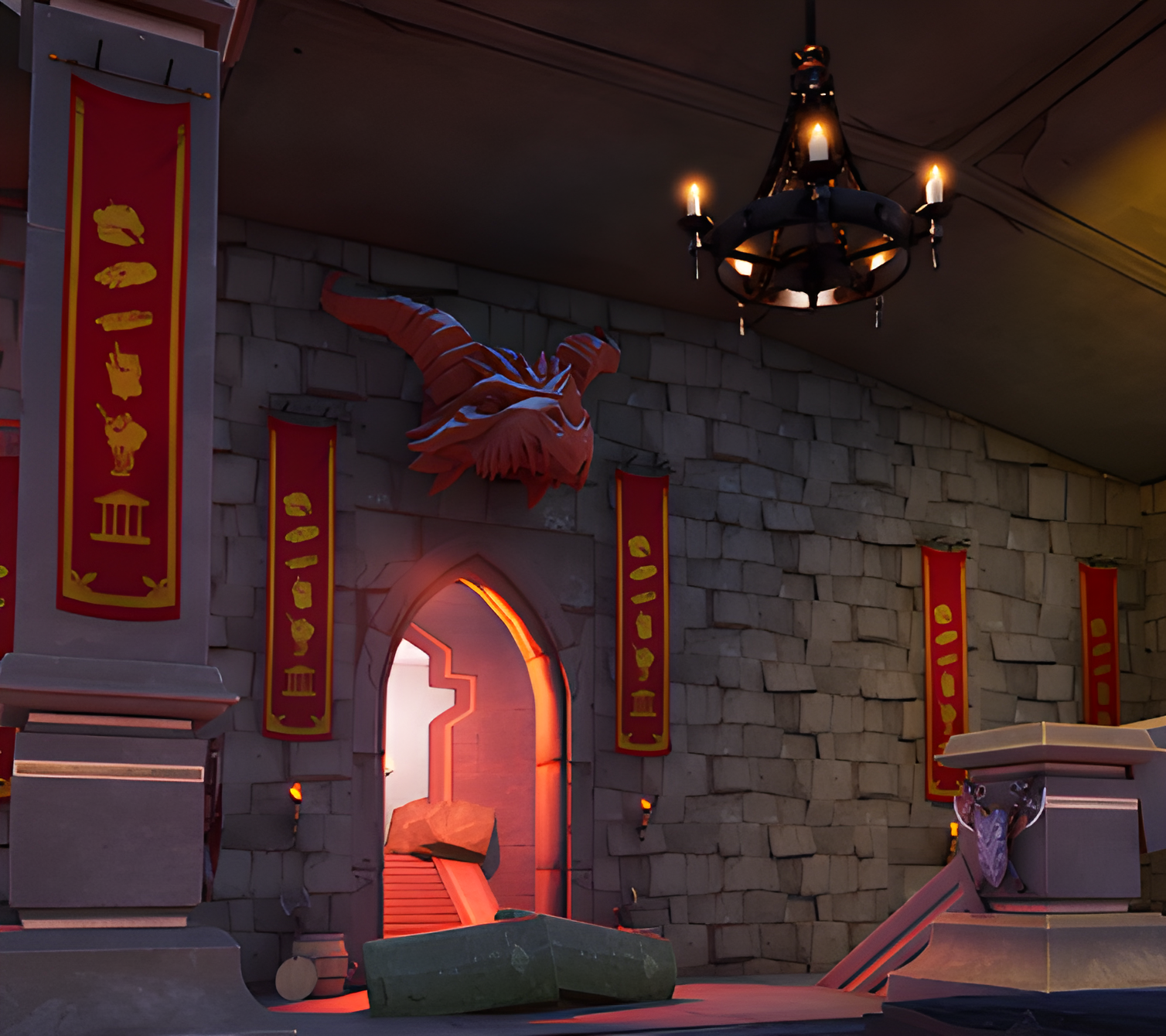
This solo level design project is an original Capture the Flag map built using Unreal Editor for Fortnite (UEFN). Set deep within a vast, subterranean Dwarven city, two teams of three players battle to steal the priceless relics of ancient Dwarven kings. Players must work together to mount strategic offensives against the enemy base while carefully defending their own, using the environment to their advantage. Flanking around walls and pillars, utilizing cover zones to evade enemy fire, and making use of different lanes of play — including grand halls, abandoned mineshafts, and crumbling bridges — are all key to securing victory.
RESPONSIBILITIES
•Greyboxed map layouts using UEFN's in-editor modelling tools, establishing core geometry and spatial relationships.
•Configured game logic and settings to support Capture the Flag gameplay, including teams, flag zones, player spawn points, scoring systems, and more.
•Designed player paths, choke points, defensive and offensive zones, and points of engagement to support flow and dynamic gameplay.
•Placed visually distinct key landmarks around the map to improve player orientation and navigation.
•Balanced item placement for each team, including weapons, health packs, to enhance flow of combat and zone control.
•Utilized modular kitbashing techniques with curated Fortnite assets to enhance environmental storytelling, visual clarity and reusability.
•Implemented environmental lighting to enhance navigation and set the mood and tone of the map.
•Conducted multiplayer playtesting sessions to collect focused feedback used to inform later design iterations.
•Authored a comprehensive Level Design Document (LDD) to determine core design goals, player metrics, and gameplay intentions of the map.
DESIGN PROCESS
Conceptualization
•Design process began with a Level Design Document (LDD) that outlined the setting and environment, the gameplay requirements, and early design concepts of the map using diagrams.
•The document was iteratively updated and expanded to reflect changes in direction and evolving design goals.
Greyboxing
•The design of the level started with rapid prototyping and iteration by blocking out the map and experimenting with spatial relationships.
•Using symmetrical design, I created two even team bases that flow into a neutral combat zone, ensuring balanced, equal opportunities and clear distinction for team bases.
•A multitude of paths open up numerous choke points, flanking routes, and nodes of engagement.
•I placed each team's flag room adjacent to their spawn area, this decision was made to prevent defenders from instantly reclaiming the flag after respawning while allowing attackers to have a fair opportunity of capturing it, creating more tactical team-focused play.
•Early iteration included a basement area underneath the main combat zone, intended to serve as an alternative route between bases.
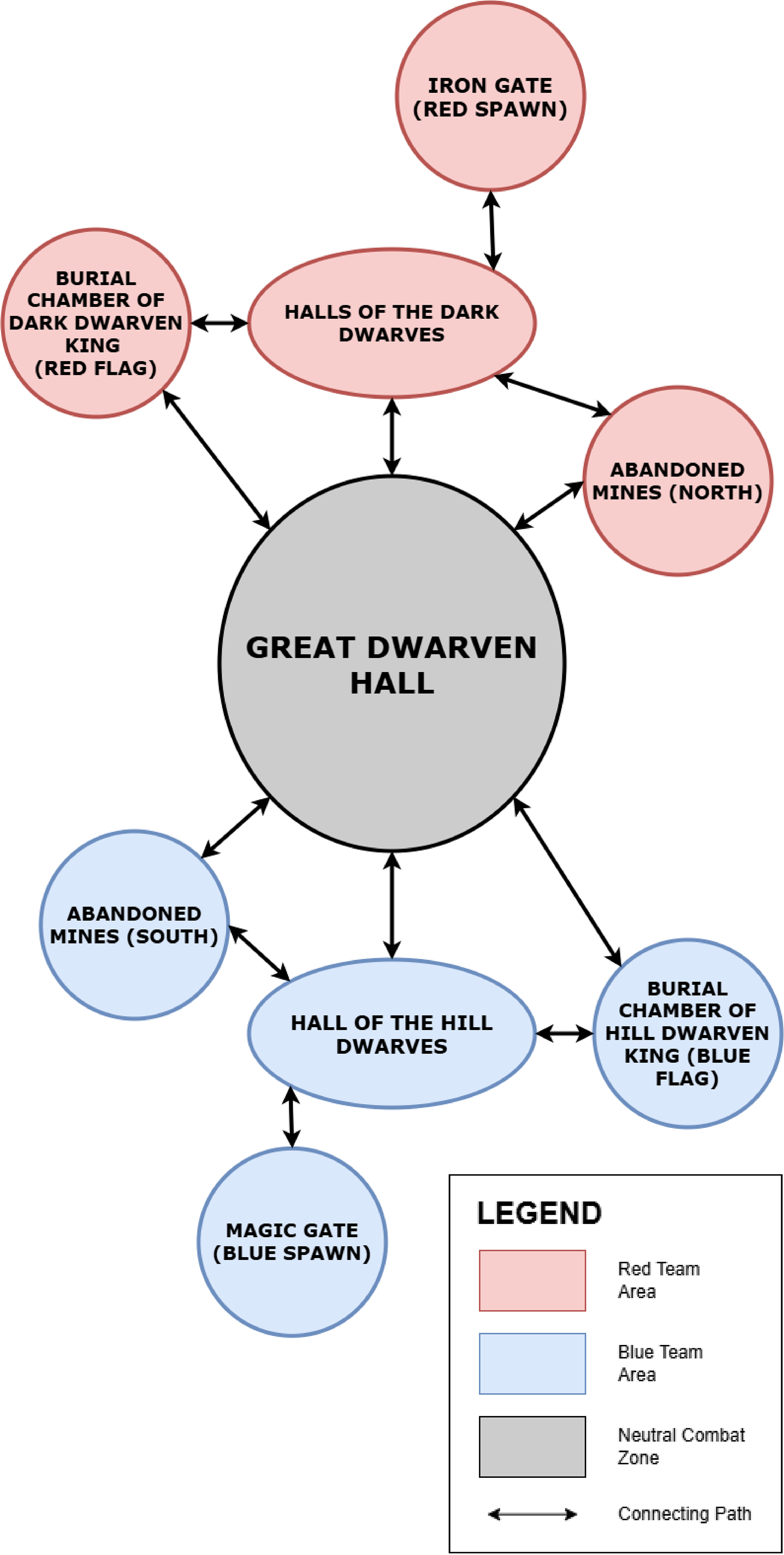
FLOW & GAMEPLAY OVERVIEW
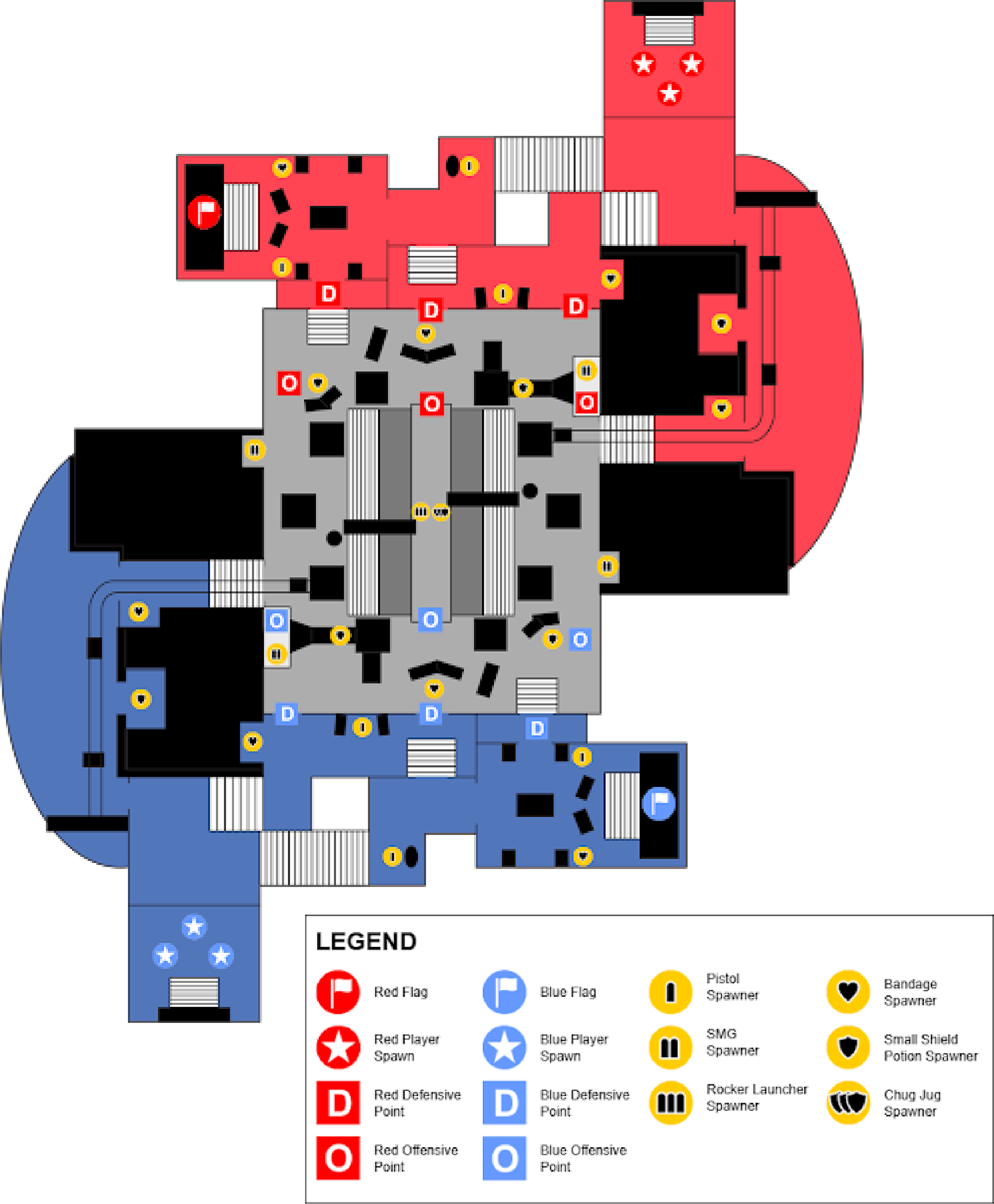
Gameplay diagram mapping key gameplay elements.
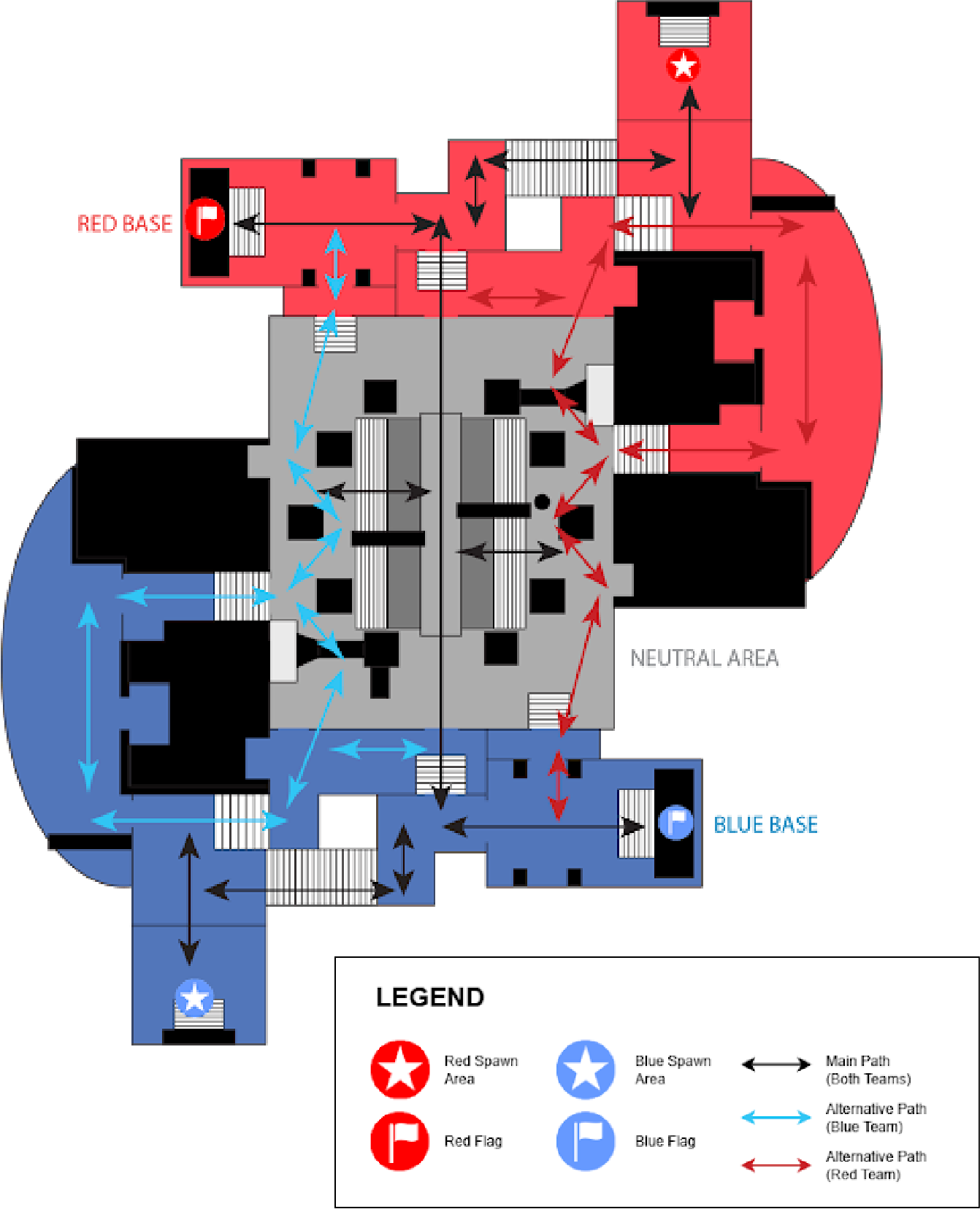
Flow diagram mapping out key paths and lanes of play for both teams.
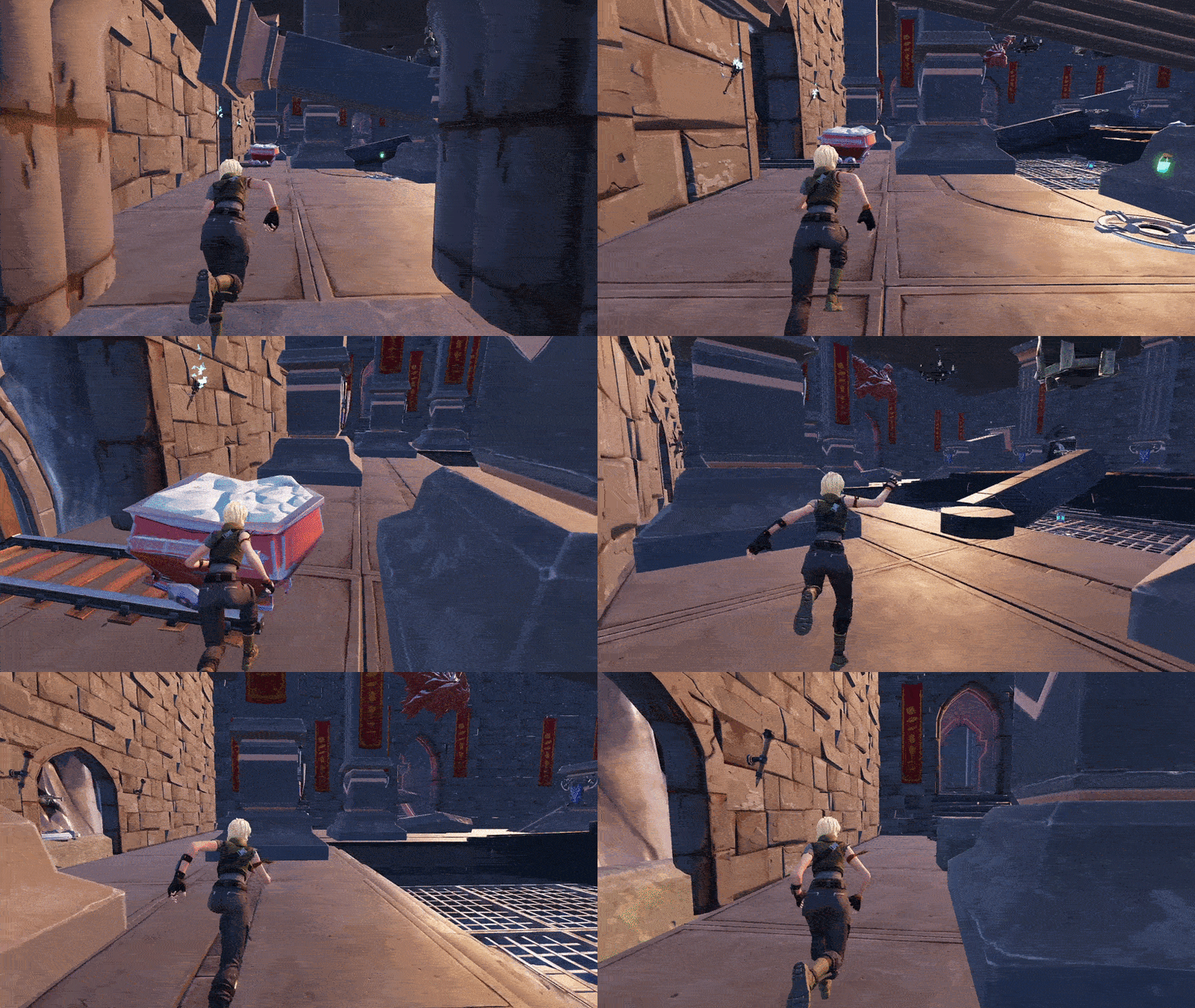
Side Path (Pillars)
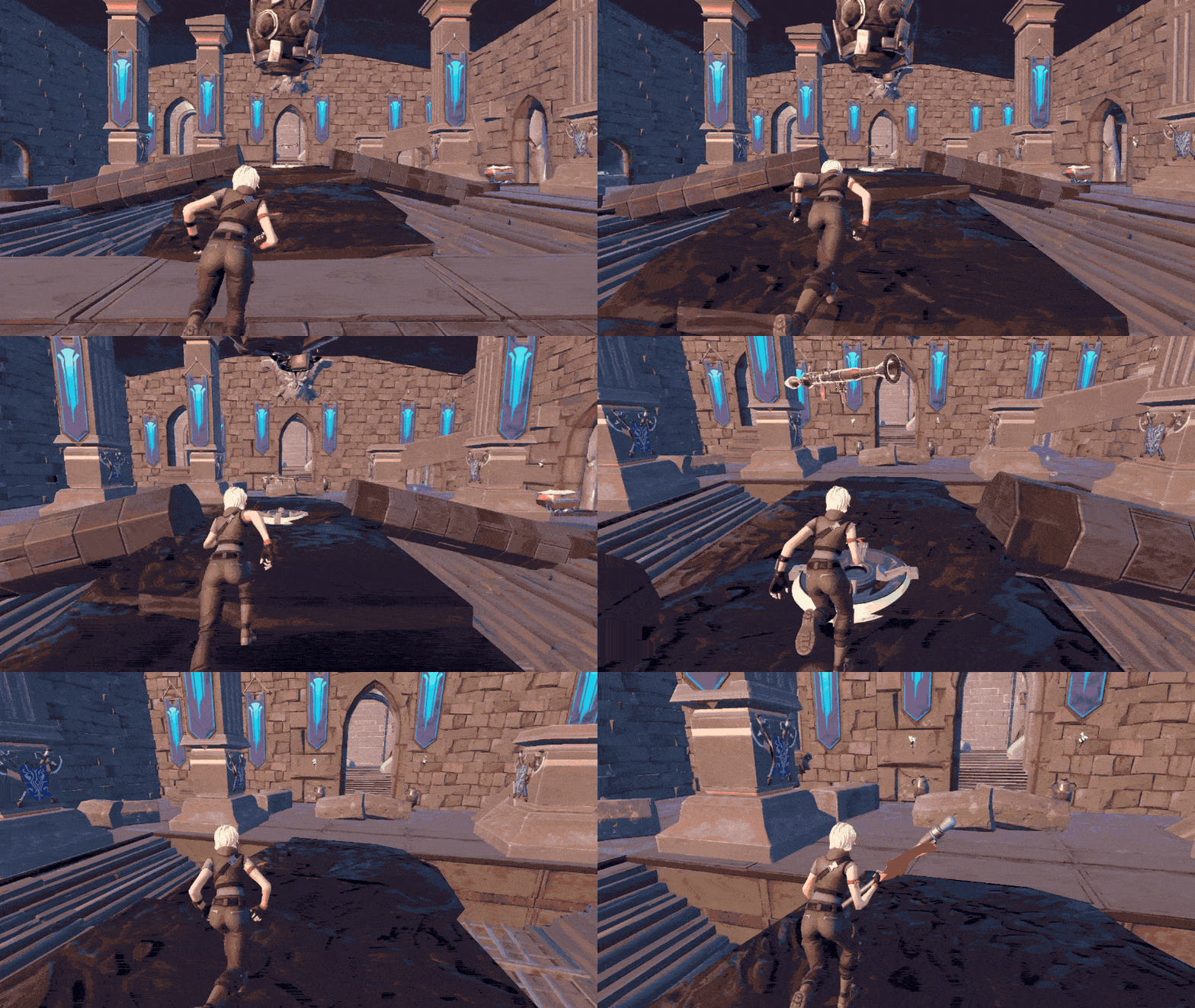
Center Path (Bridge)
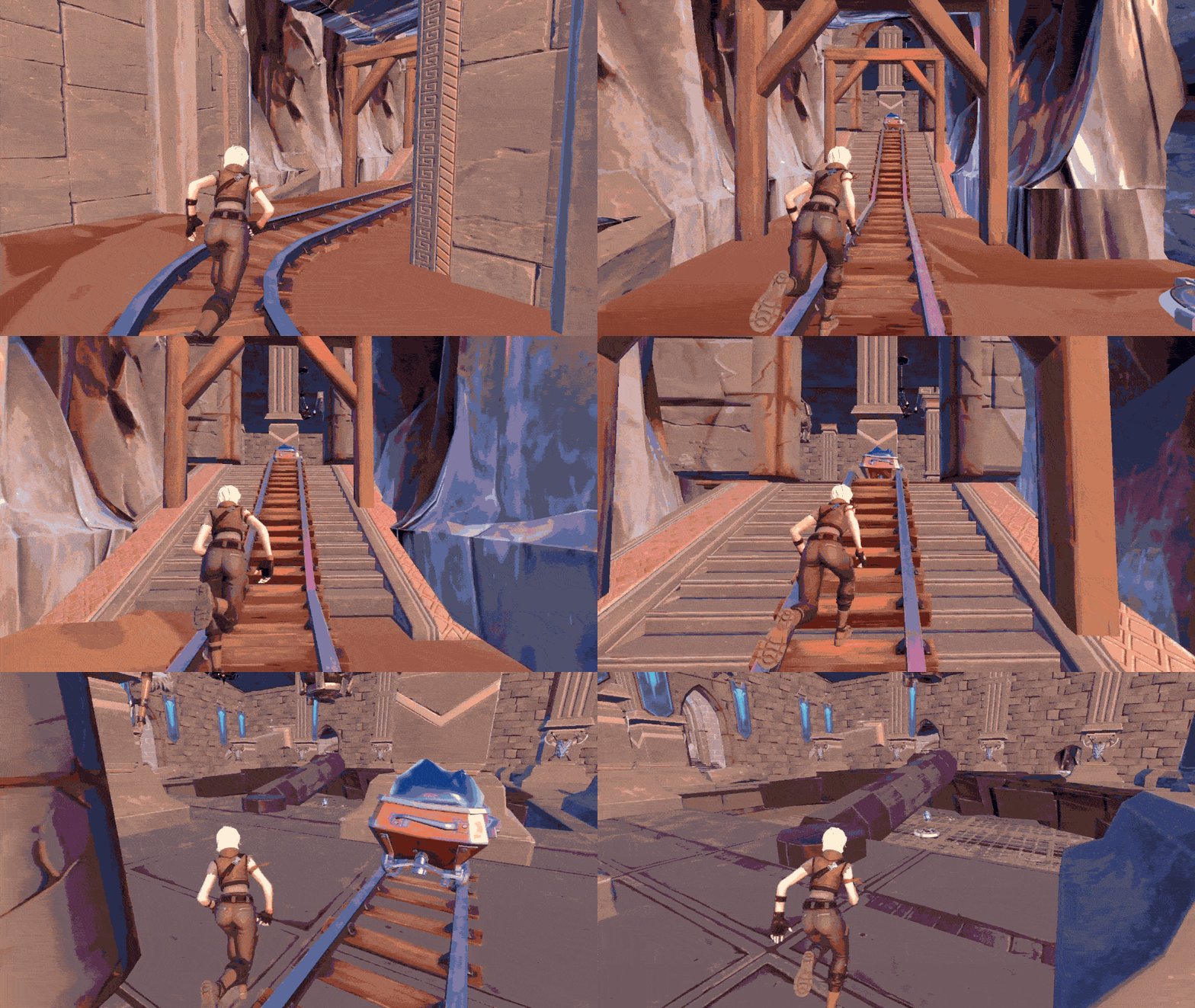
Flanking Path (Mining Tunnel)
GAMEPLAY INTEGRATION
•Following several iterations of the greybox, I began to integrate core gameplay mechanics:
•Player spawners
•Flag capture zones
•Item spawners
•Each mechanic was placed with careful attention to balance, flow and pacing of gameplay, to ensure a competitive experience for both teams.
•Low-value items, such as Health Packs, Small Shield Potions and Pistols, in easily accessible locations.
•Higher-tier weapons such as SMGs were placed in more exposed or difficult to reach spots to encourage exploration and map awareness.
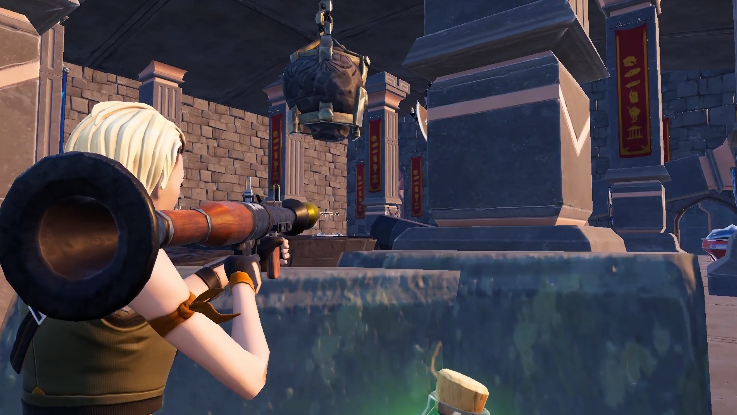
•A single Rocket Launcher and Chug Jug are placed in exposed central choke points of the map, ensuring both teams have an equal opportunity of grabbing them, but at a high level of risk.
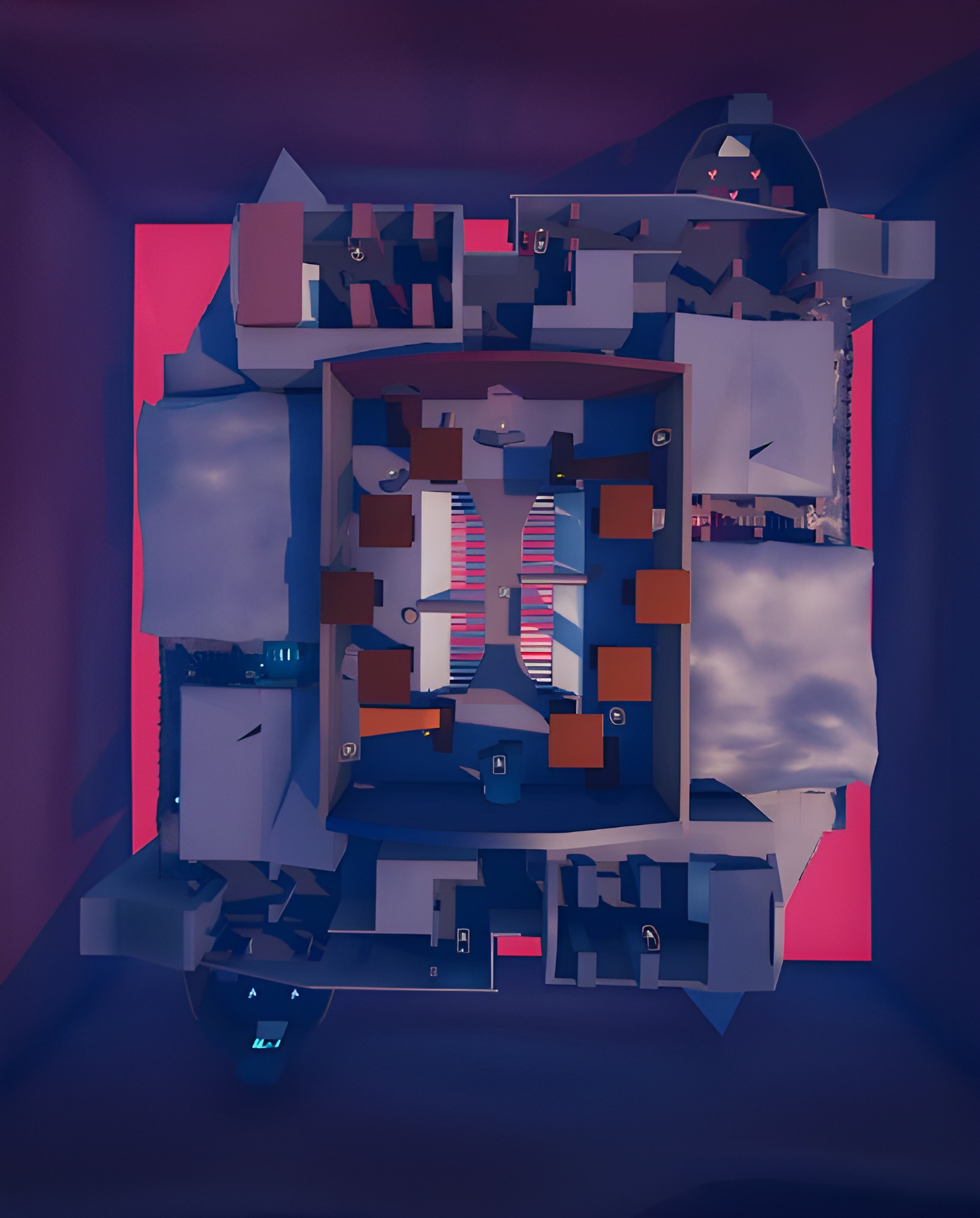
Top-down view of finalized greybox iteration of the level.
PROBLEM SOLVING & ITERATION
BASEMENT AREA REVISION
PROBLEM: Players did not not engage with the basement route as intended.
SOLUTION: Merged the basement into the main combat area instead of keeping it separate.
OUTCOME: Navigation and level flow was significantly streamlined.
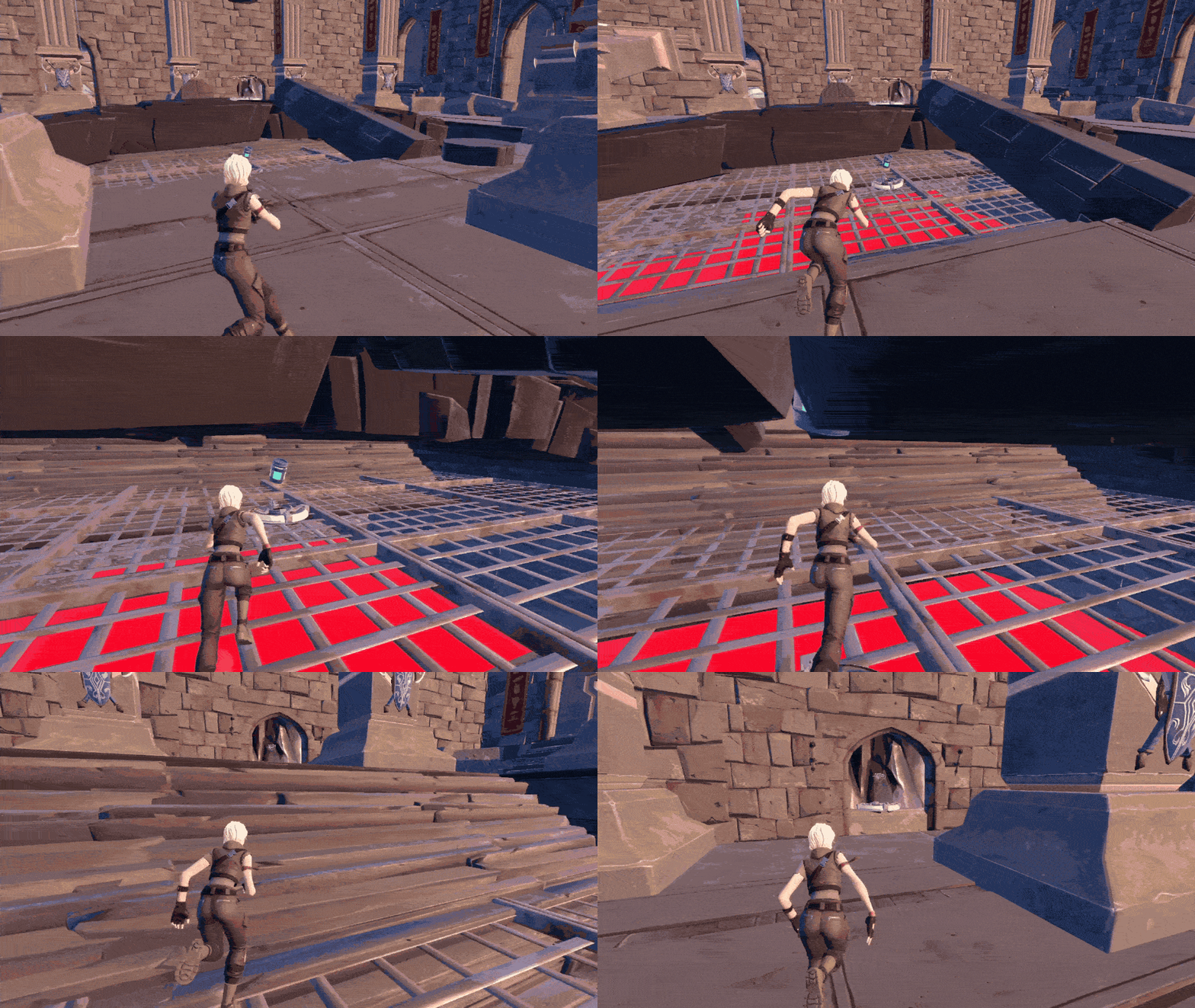
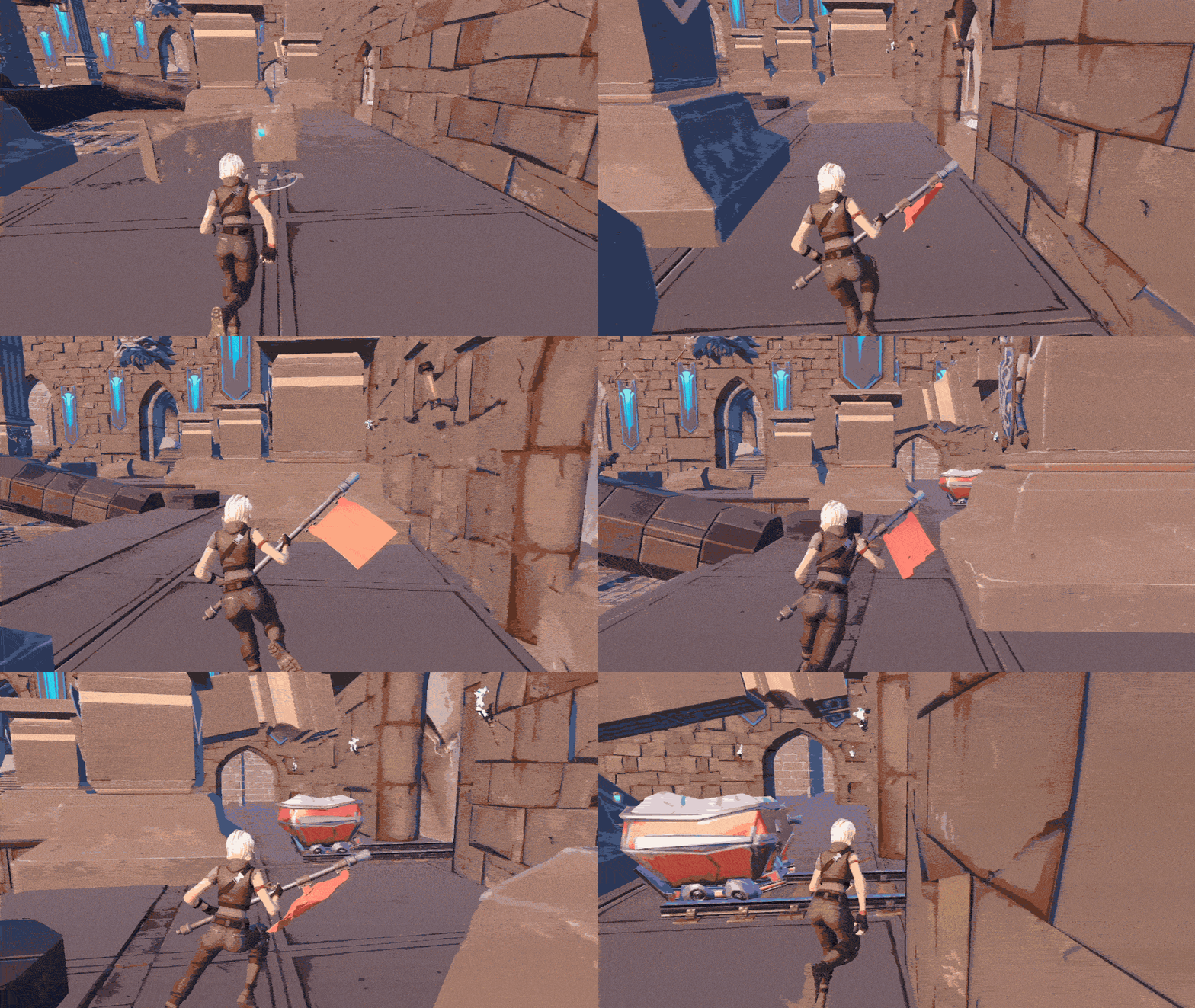
PILLAR PLACEMENT
PROBLEM: Side lanes did not offer adequate cover, making flag carriers too exposed.
SOLUTION: Pillars in main combat area were re-arranged in a zig-zag formation.
OUTCOME: Players could weave in and out of cover, make flag escapes more engaging.
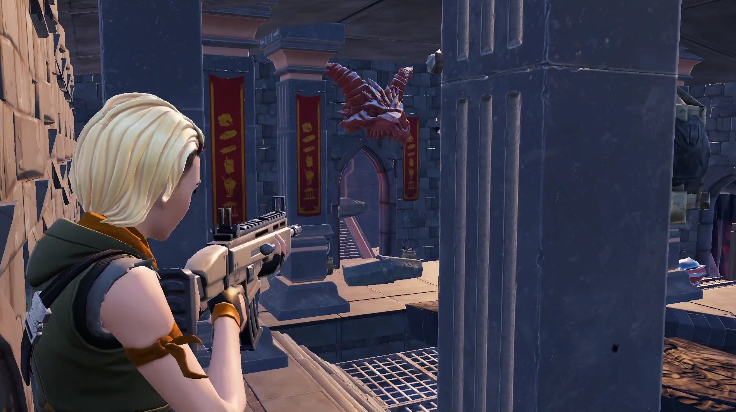
DEFENSIVE POSITIONING
PROBLEM: Teams did not have enough defensive positioning, creating shallow strategic play.
SOLUTION: Added additional cover zones, sightlines and vantage points around team bases.
OUTCOME: Created strategic gameplay and encouraged use of varied lanes.
ART ASSET INTEGRATION
•Utilizing modular kitbashing with UEFN's built-in Fortnite asset library, I constructed visually distinct regions of the map.
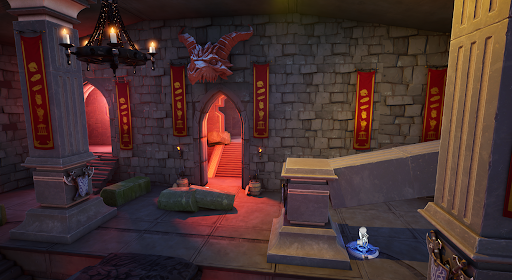
•I assembled three unique regional asset kits (Red Base, Blue Base and Neutral Zone) featuring their own unique visual identity and theming to differentiate areas of the map while maintaining consistency.
•Assets were categorically organized into three types:
•Base assets, making up the foundational elements of the map
•Detail assets, decorative props and elements that enhance visual variety and depth
•Hero assets, high-detail focal points, used only once each, that served as key visual landmarks of each region of the map.
COMPARISON SCREENSHOTS